DaVinSci Consult
Home / Case studies / CRM audit and governance
Case study 2 / 03

CRM audit and data governance

A CRM rarely breaks all at once. It fills up with sensible short cuts until the people running campaigns can no longer reach the people they mean to.

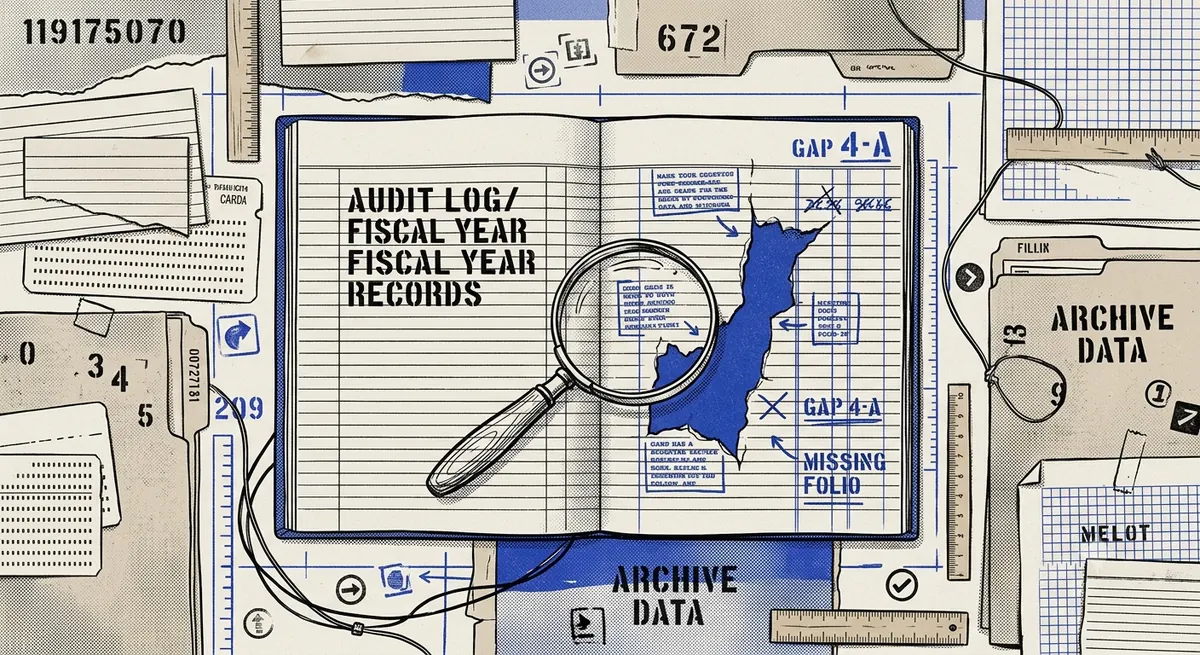
An open audit log with a magnifying glass over a torn page marked Gap 4-A
2M+contact records in the audited HubSpot database
1,000sof workflows built up over time
6layers of segmentation, often, between a contact and a campaign
Recent work · 2026 · under NDA

A HubSpot database of more than two million records

An international trade show organiser, running dozens of shows a year, was seeing weak engagement from its marketing campaigns and sales outreach. The database had grown organically, with limited governance. I audited the platform and its data quality (HubSpot Enterprise).

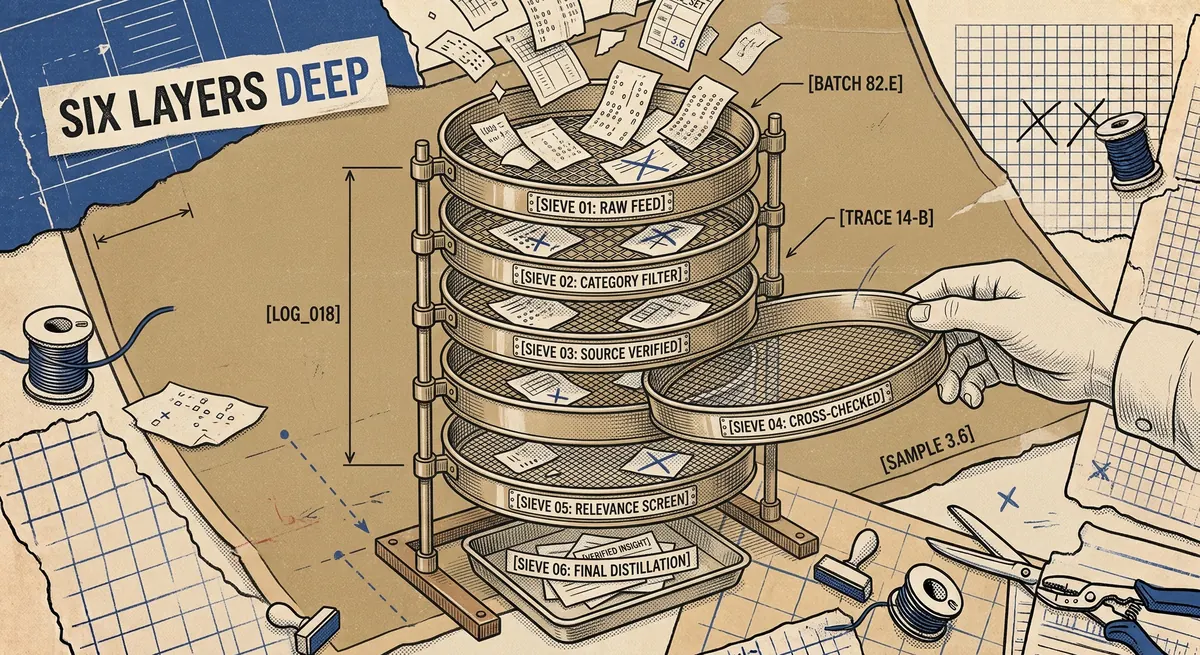
Contact slips falling through a stack of six labelled sieves while a hand lifts one out: Six layers deep
Finding 01

Valid contacts were being filtered out

Campaign segments were built on layer upon layer of other segments, often six deep. Somewhere in those layers, entire industries, email domains and job titles that should have been included were being excluded by mistake.

Layered like that, the rules were hard for anyone to trace, so a contact could be perfectly valid and still never hear about the show meant for them.
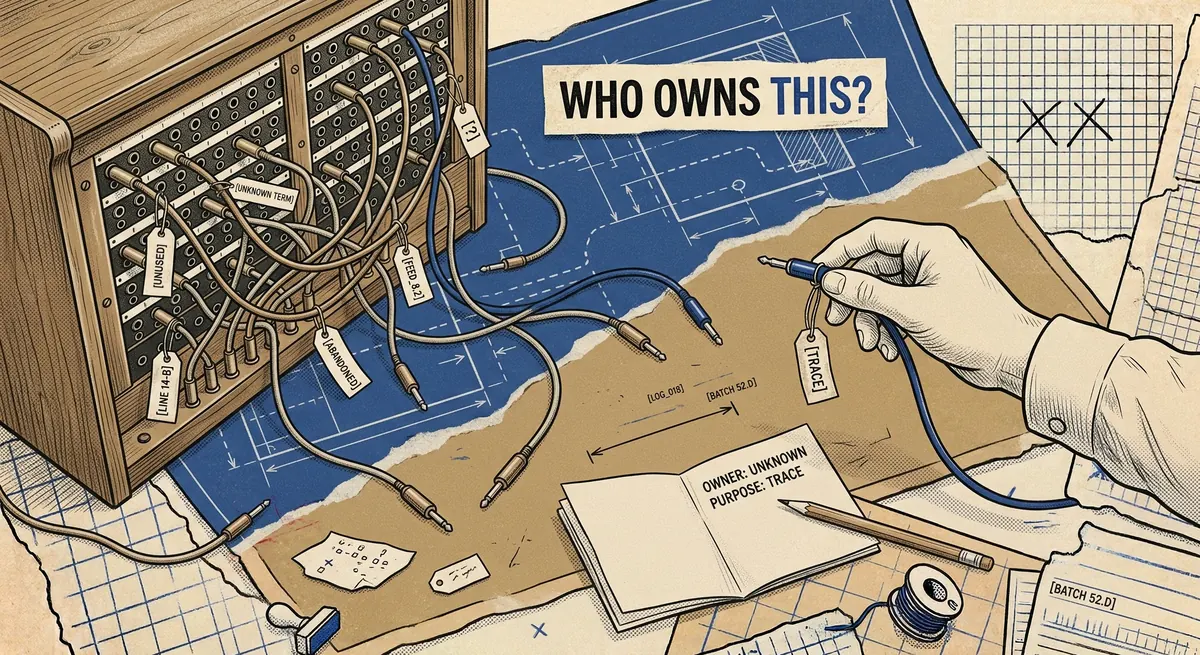

A telephone switchboard of crossed and unplugged cables with a hand tracing one: Who owns this?
Finding 02

Thousands of workflows, few of them retired

Workflows had often been created for one small task and then left running. With thousands of them, there were many chances for conflict: over lead lifecycle stage, follow-up flags, and whether a contact was marketing or non-marketing.

Hands drawing a flow chart on graph paper above a stack of punched cards
Finding 03

The cause was ownership, not the software

Database hygiene and maintenance were barely documented, and nobody clearly owned them. The marketing directors for each show, who were responsible for its campaigns, had little control over segmentation and had to rely on a stretched central data team.

What I delivered. A detailed briefing with recommended next steps on the critical issues, starting with untangling and streamlining the segmentation, and calls with senior leadership to walk through it. The organisation then took the report in-house.

Other work this year has included further database audits and data strategy reviews.

Earlier work

From diagnosis to a working system

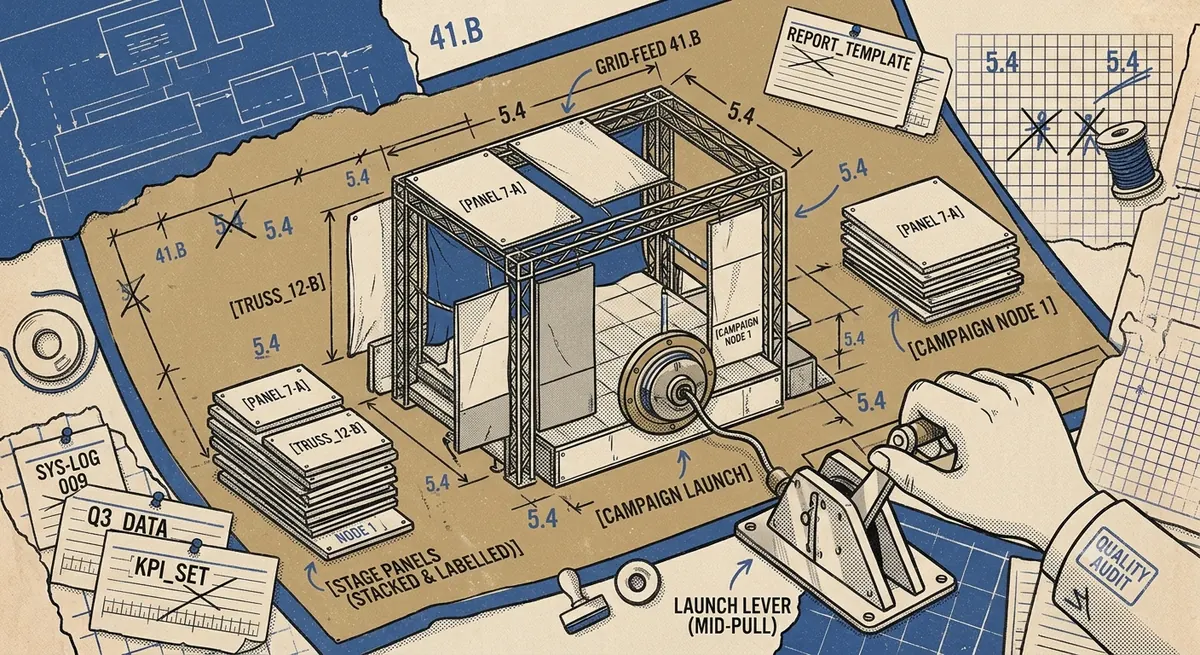
A launch lever and a pile of campaign cards on a blueprint desk

Optimising HubSpot for an events network

A rapidly expanding events company was struggling to get value from a newly adopted HubSpot. A gap analysis led to a four-phase action plan, refined in a senior leadership workshop: performance tracking, reconfiguration, training and adoption, and automation.

Fully implemented within six months, with a 30% increase in platform adoption, faster lead-to-event conversion and clearer leadership reporting.

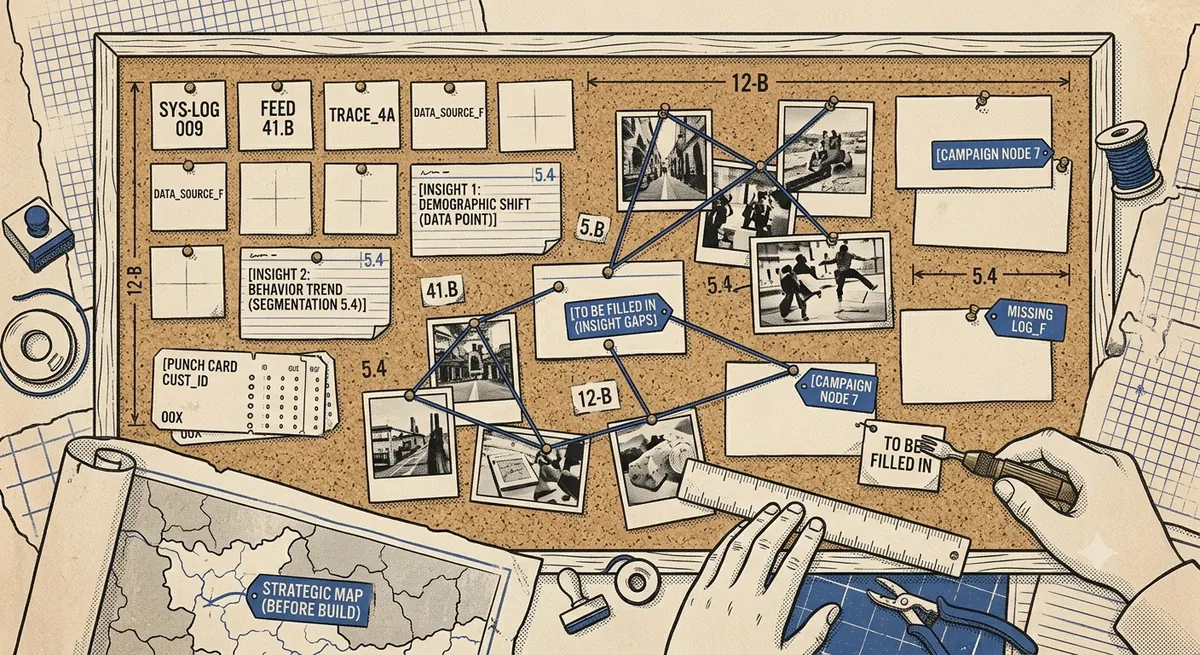
A pinboard of photos, cards and strings planning an audience campaign

A data strategy for a high-growth business

Rapid scaling had brought siloed data and inconsistent collection. I wrote a 30-page blueprint covering data infrastructure, multi-channel communications, analytics and GDPR-aligned compliance, and a roadmap from quick wins to full integration.

Leadership had a scalable, actionable plan.

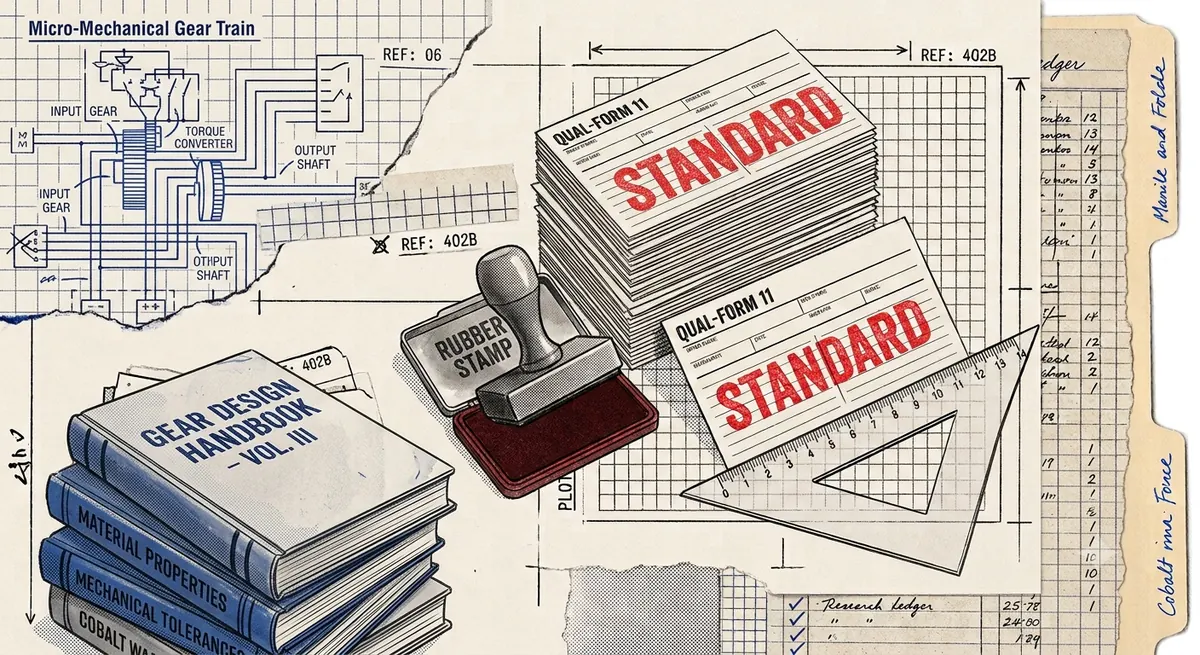
Stamped Standard cards and a handbook, with a ruler and set square

A governance framework across systems

An organisation running sales and marketing CRMs, finance, inventory and events systems wanted one source of truth. An audit led to a strategy built on access control, data ownership and quality rules, and cross-platform harmonisation.

Reporting errors fell by 40%, with faster decisions and stronger compliance across regions.

Good practice

Why contacts go missing from campaign segments

If a campaign reaches far fewer people than you expect, check these before you blame the content.

Read the full briefing

  1. Trace one real person. Pick a contact who should have received it and follow every rule that touches them.
  2. Count the layers. A segment built on segments built on segments hides its own logic. Flatten it where you can.
  3. List every exclusion by industry, domain and job title, with who added it and why. Remove what nobody can explain.
  4. Compare the numbers: everyone who fits the audience and may lawfully be contacted, against everyone actually sent to.
  5. Inventory your workflows. For each: its owner, its purpose, when it last enrolled anyone and which fields it changes.
  6. Find the collisions. Two workflows writing to the same field is where lifecycle stages and flags go wrong.
  7. Switch off before deleting, watch for side effects, then remove it and record why.
  8. Give it an owner. Campaign teams need a clear, documented way to request, check and change their own segments.
Next step

Are your campaigns reaching who you think?

If segments have become too tangled to explain, or nobody is sure which workflows are still doing something, a short call is a good place to start.

Book a 30-minute data strategy call Send a message

An appointment-booked card and a hand holding a confirmation slip on a map desk